
Understanding Adsorption Technology and Activated Carbon/Charcoal
What Is Adsorption?
G.I. Jean LLC explores adsorption technology and activated carbon applications to develop practical solutions, educational resources, and future product innovations.
G.I. Jean™ serves as the living embodiment of G.I. Jean LLC's adsorption technology platform, helping communicate the science and real-world applications of activated carbon/charcoal. Products such as DeGoo® Activated Charcoal Soap Tablets demonstrate how adsorption principles can inspire practical consumer products.
Adsorption is the process of attracting and holding molecules on a surface. Think of dust sticking to a screen or a magnet holding metal. Activated carbon contains a huge network of internal surfaces where certain molecules can attach.
Why it matters: Adsorption is the science behind many filters, purification systems, toxicology uses, and specialized medical technologies.
-
Adsorption occurs when atoms, ions, or molecules accumulate at the interface between a solid and a surrounding liquid or gas. Activated carbon is especially useful because activation develops an extensive pore network and a large accessible internal surface.
When a liquid or gas contacts activated carbon/charcoal, some molecules may enter the pore system and interact with the pore walls. Whether adsorption occurs depends on the carbon’s pore structure and surface chemistry, the target molecule, the surrounding matrix, concentration, temperature, contact time, and competing substances.
Activated carbon does not adsorb all molecules equally. Selection and testing must be specific to the intended application.
References
IUPAC. (2025). Activated carbon (Gold Book term A00090). International Union of Pure and Applied Chemistry. Gold Book | DOI
Marsh, H., & Rodríguez-Reinoso, F. (2006). Activated Carbon. Elsevier. Elsevier| ScienceDirect
Bansal, R. C., & Goyal, M. (2005). Activated Carbon Adsorption. CRC Press. Taylor & Francis | DOI
Bläker, C., Muthmann, J., Pasel, C., & Bathen, D. (2019). Characterization of Activated Carbon Adsorbents: State of the Art and Novel Approaches. ChemBioEng Reviews. Wiley | DOI
Adsorption: Molecules attaching to activated-carbon/charcoal pore walls is adsorption.
Absorption: A sponge soaking up water is absorption.
-
Absorption distributes a substance within the volume of another material. Adsorption concentrates molecules at an interface or surface.
Activated carbon works primarily through adsorption. Its pores are important because the pore walls create internal surfaces. Molecules can travel into those pores and attach to the walls. The molecules are not distributed throughout the carbon matrix in the way they would be during absorption.
This distinction matters when explaining filtration, adsorption capacity, saturation, desorption, and regeneration.
References
IUPAC. (2025). Activated carbon (Gold Book term A00090). International Union of Pure and Applied Chemistry. Gold Book | DOI
Bansal, R. C., & Goyal, M. (2005). Activated Carbon Adsorption. CRC Press. Taylor & Francis | DOI
Marsh, H., & Rodríguez-Reinoso, F. (2006). Activated Carbon. Elsevier. Elsevier | ScienceDirect
The Long History of Charcoal and Activated Charcoal
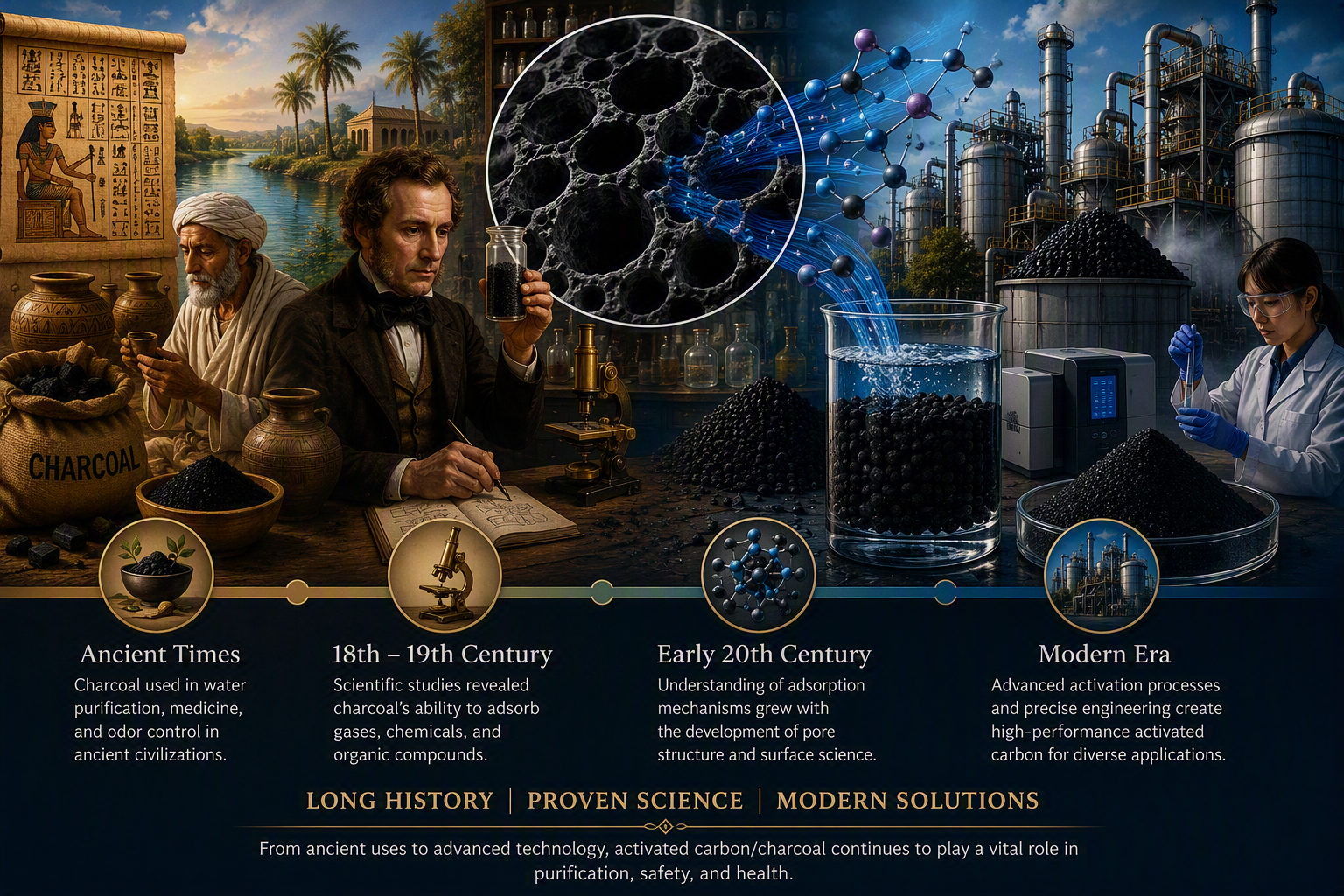
People have used charcoal for thousands of years. Historical sources describe early uses connected with water, odors, and medicine. Much later, scientists learned how adsorption works and how controlled activation can create much more porous carbon.
Why it matters: Activated carbon/charcoal is not a recent trend. It grew from a long history of carbon use and more than a century of modern activation technology.
-
The history should distinguish three related but different subjects: ancient uses of ordinary charcoal, the scientific discovery of adsorption, and the modern development of deliberately activated carbon. Historical accounts describe the use of charcoal in ancient settings. Scientific study of charcoal adsorption expanded during the eighteenth and nineteenth centuries. Modern industrial activated carbon emerged after methods were developed to increase porosity through thermal, steam, gas, and chemical activation processes. Many early dates and "first use" claims are repeated through secondary sources. Whenever possible, historical statements should be supported by authoritative books, original historical documents, or patent records. References
Gupta, T. (2018). Historical production and use of carbon materials: The activated carbon. In Carbon: The Black, the Gray and the Transparent. Springer. Springer | DOI | Google Books
Çeçen, F., & Aktaş, Ö. (2011). Activated Carbon for Water and Wastewater Treatment: Integration of Adsorption and Biological Treatment. Wiley-VCH. Wiley | Google Books
Marsh, H., & Rodríguez-Reinoso, F. (2006). Activated Carbon. Elsevier. Elsevier | ScienceDirect
Derlet, R. W., & Albertson, T. E. (1986). Activated charcoal: Past, present and future. Western Journal of Medicine, 145(4), 493–496. PubMed | PMC
How Activated Carbon Is Made
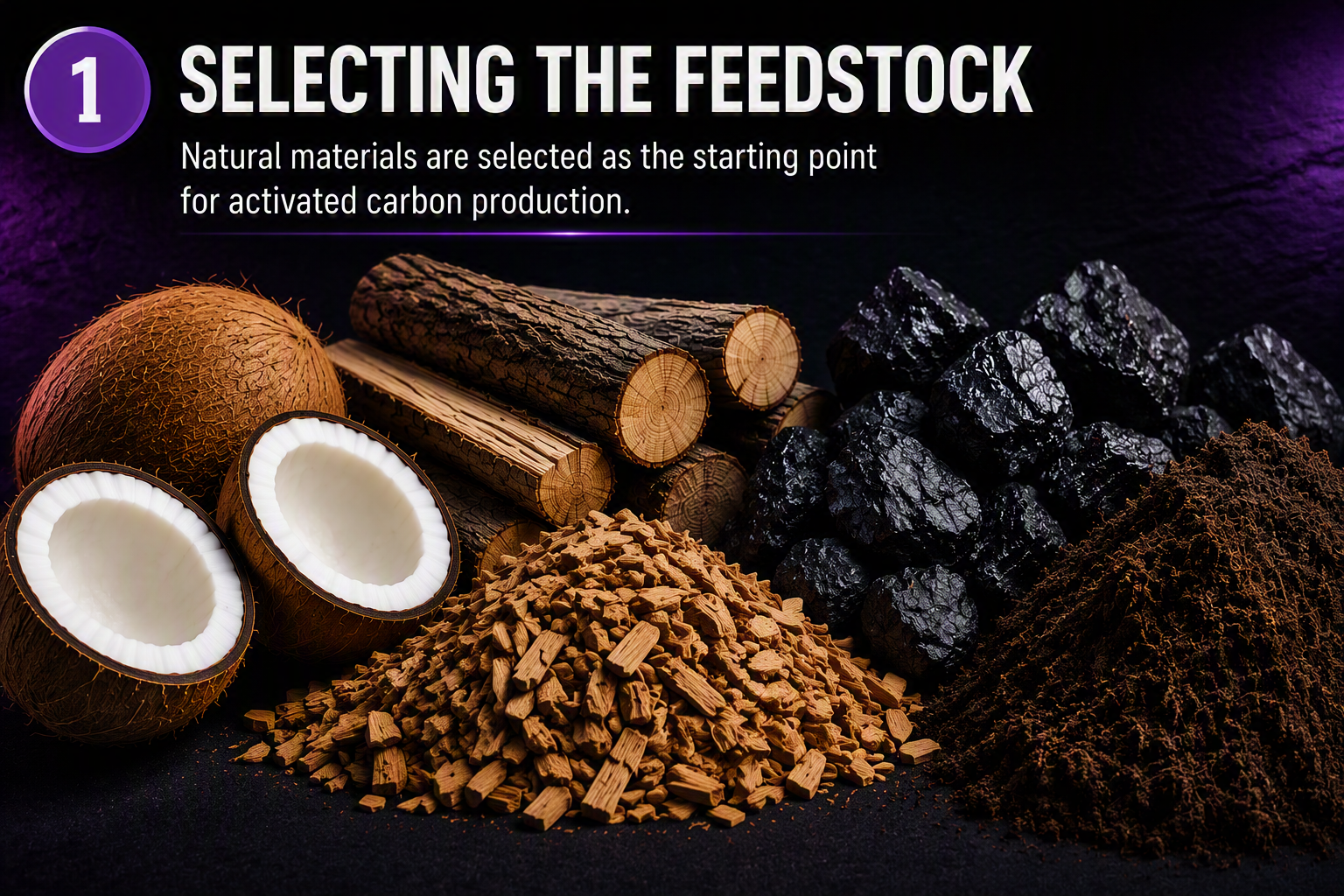
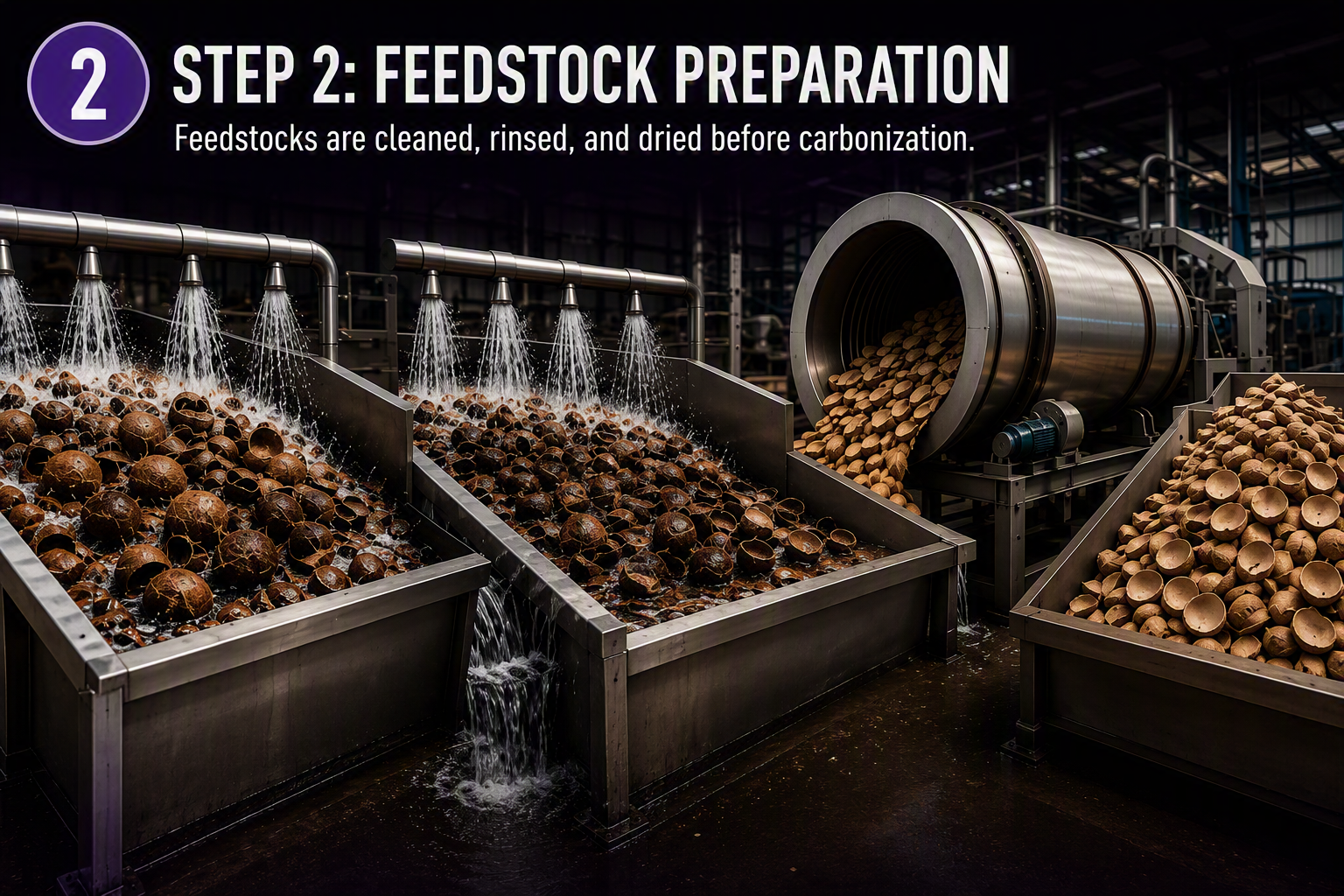
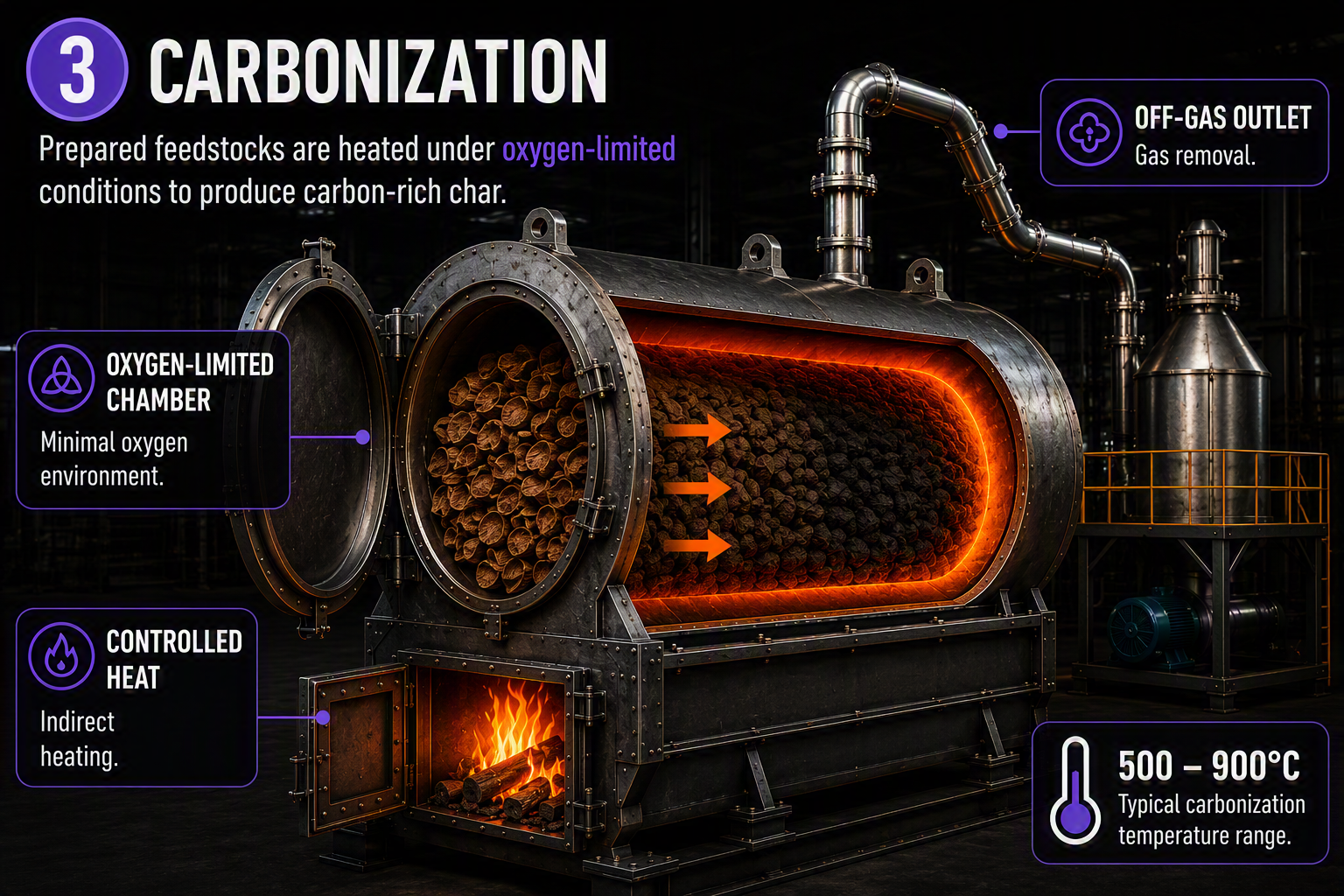
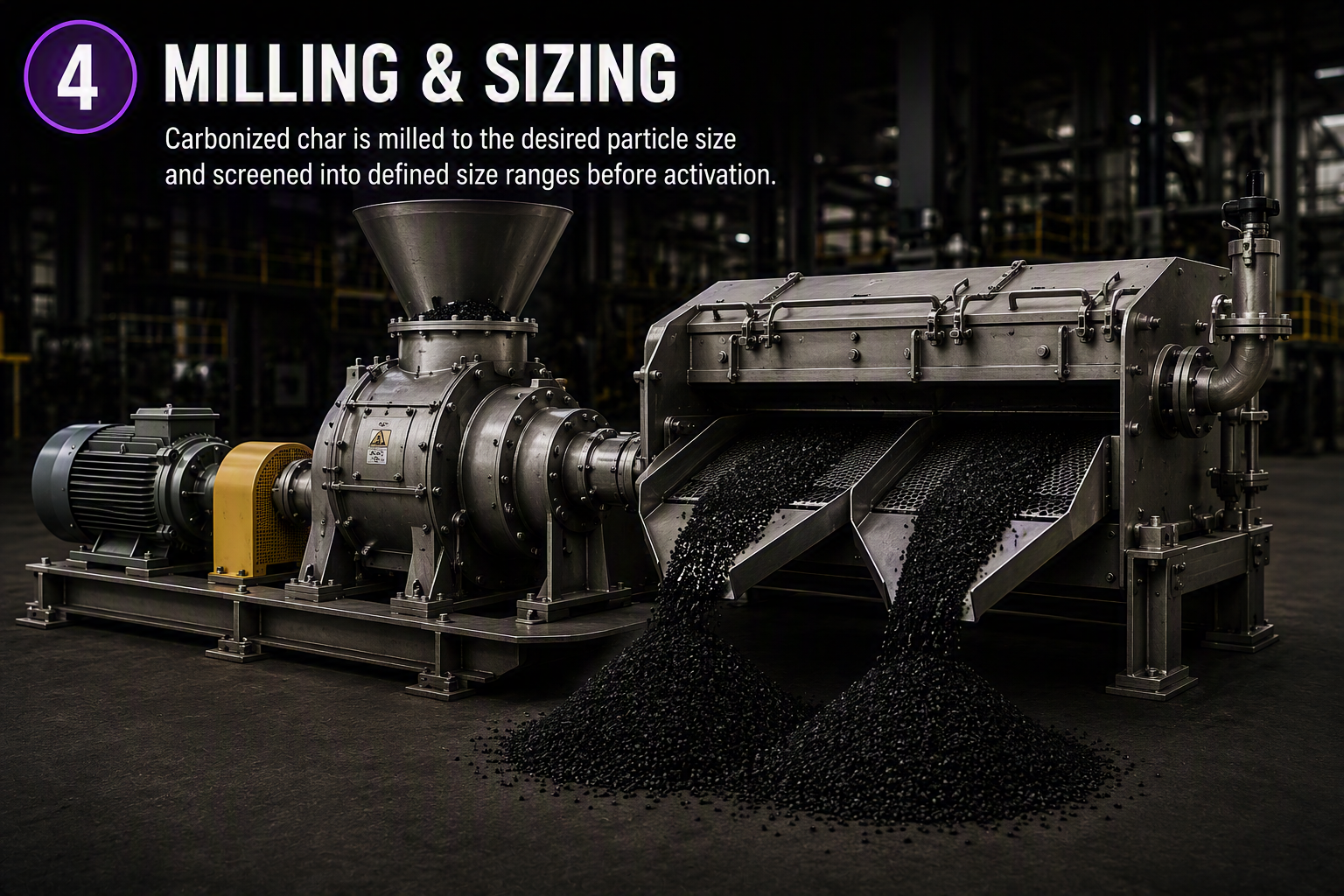
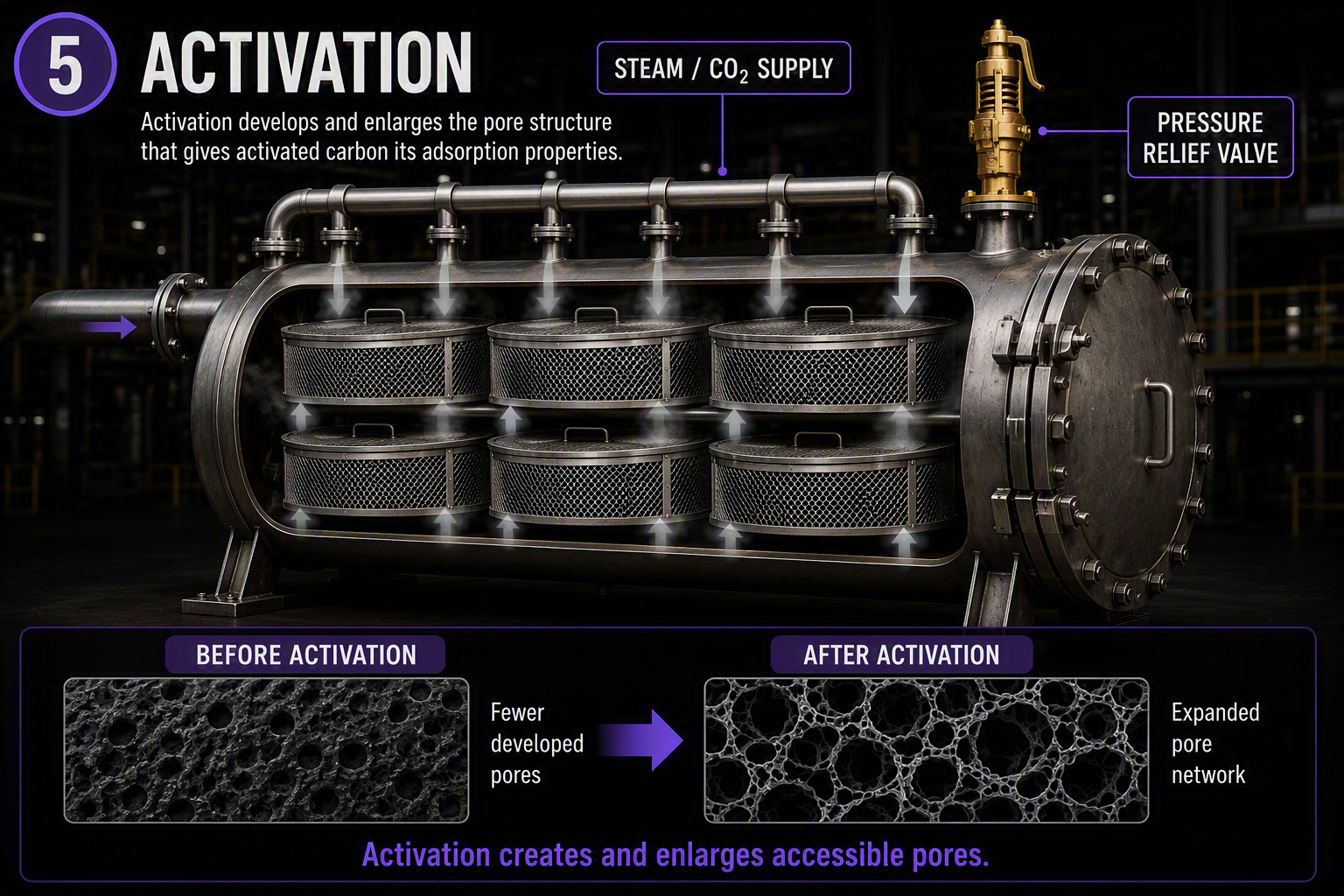
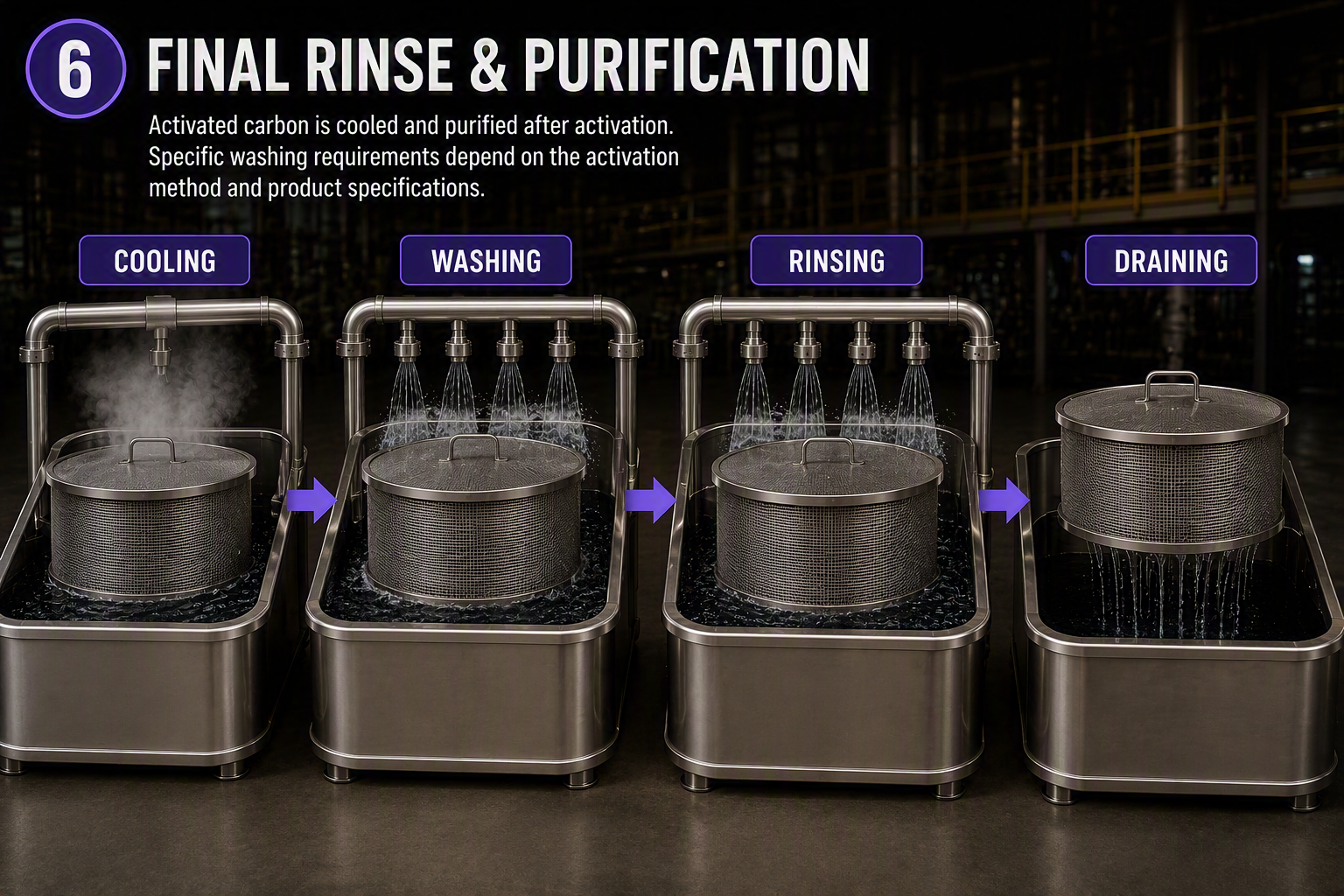
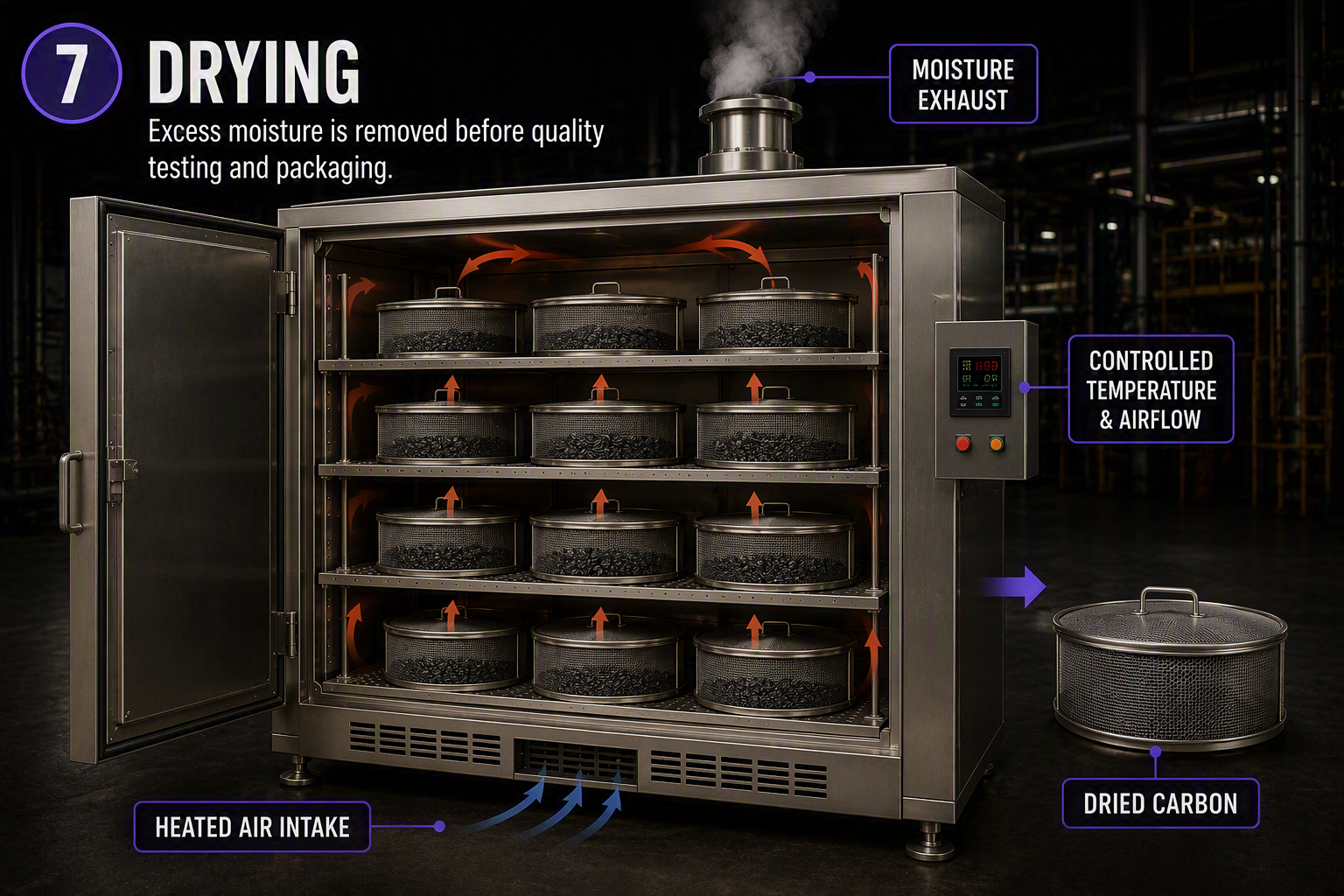
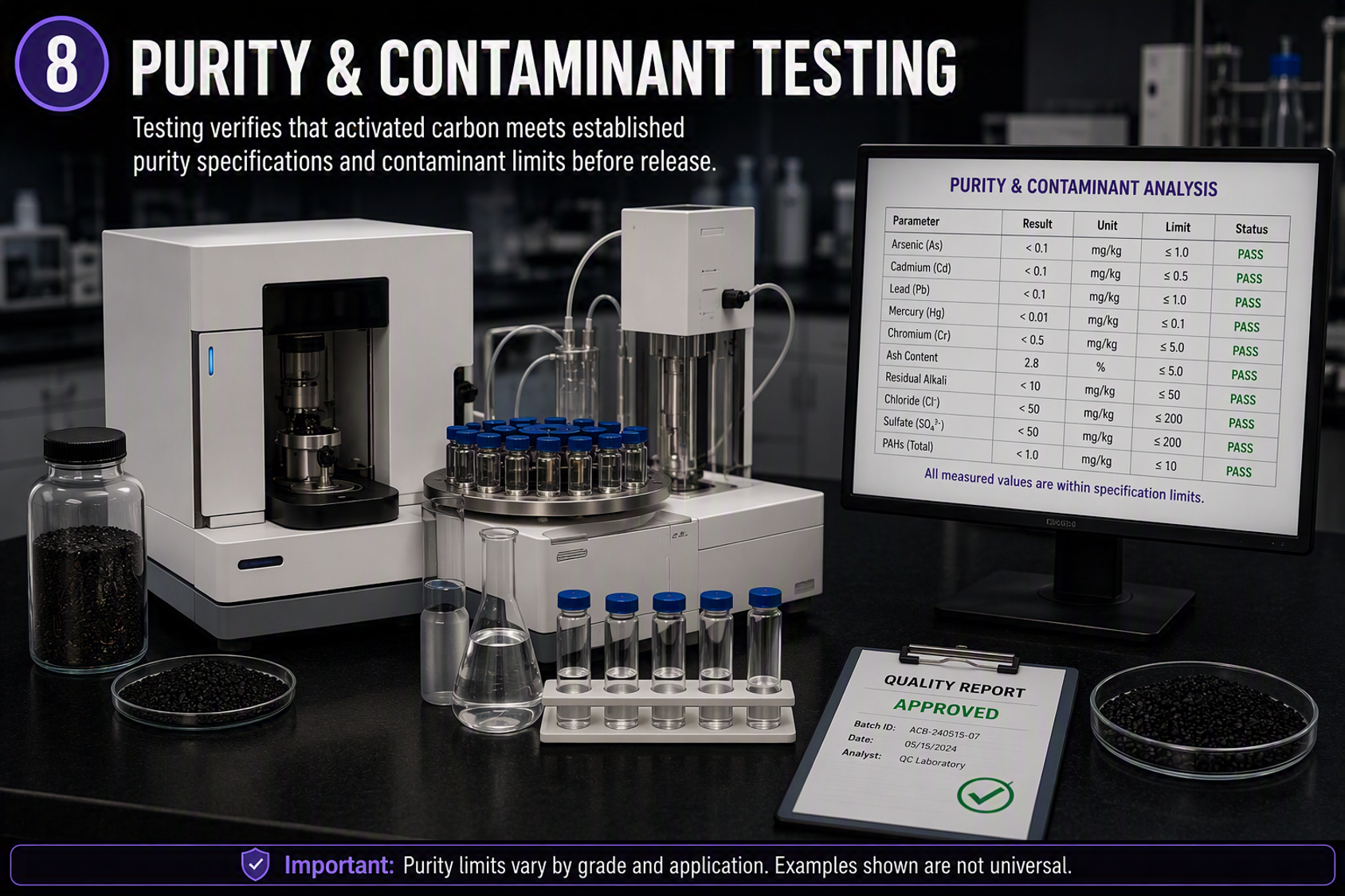
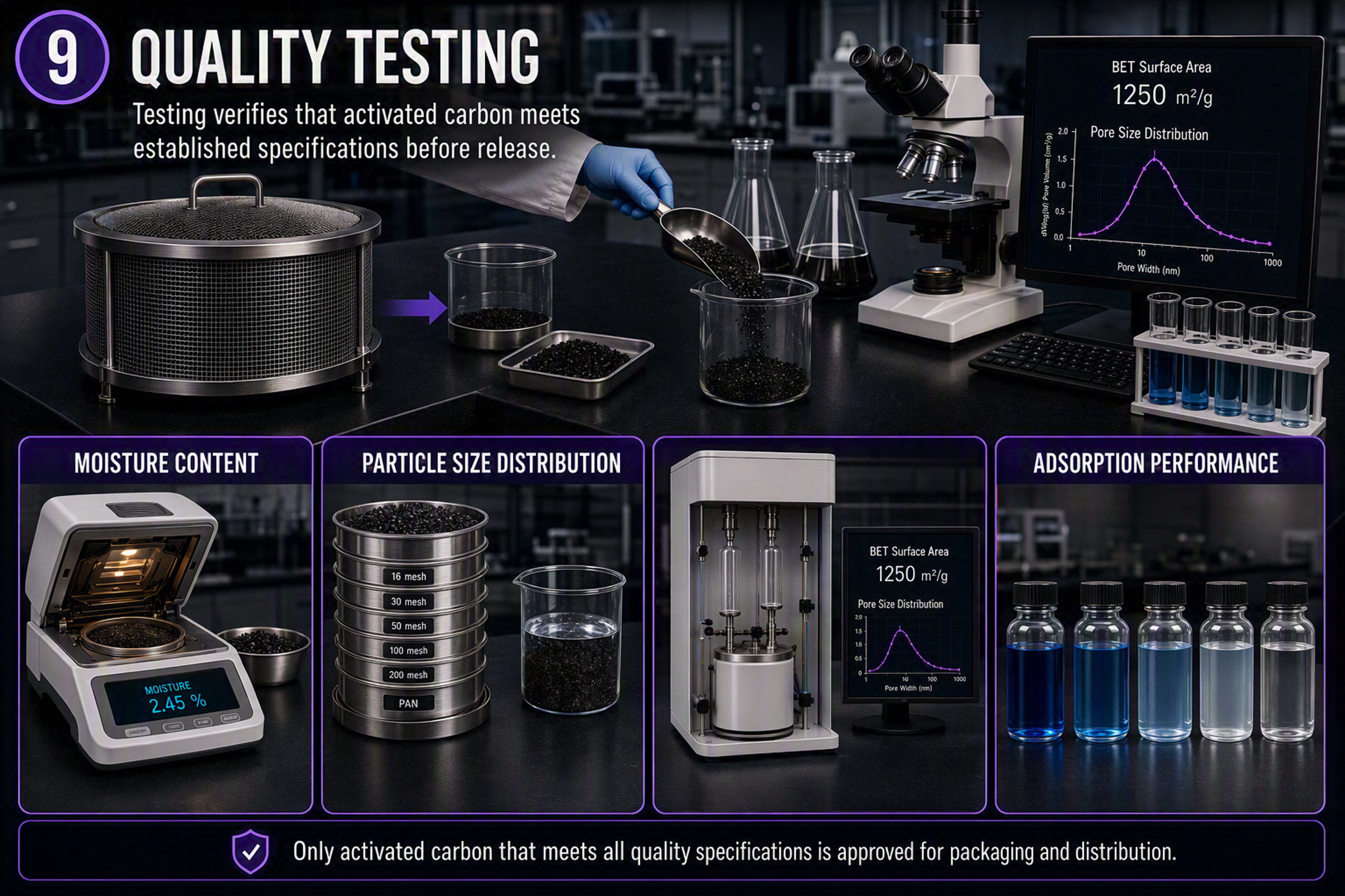
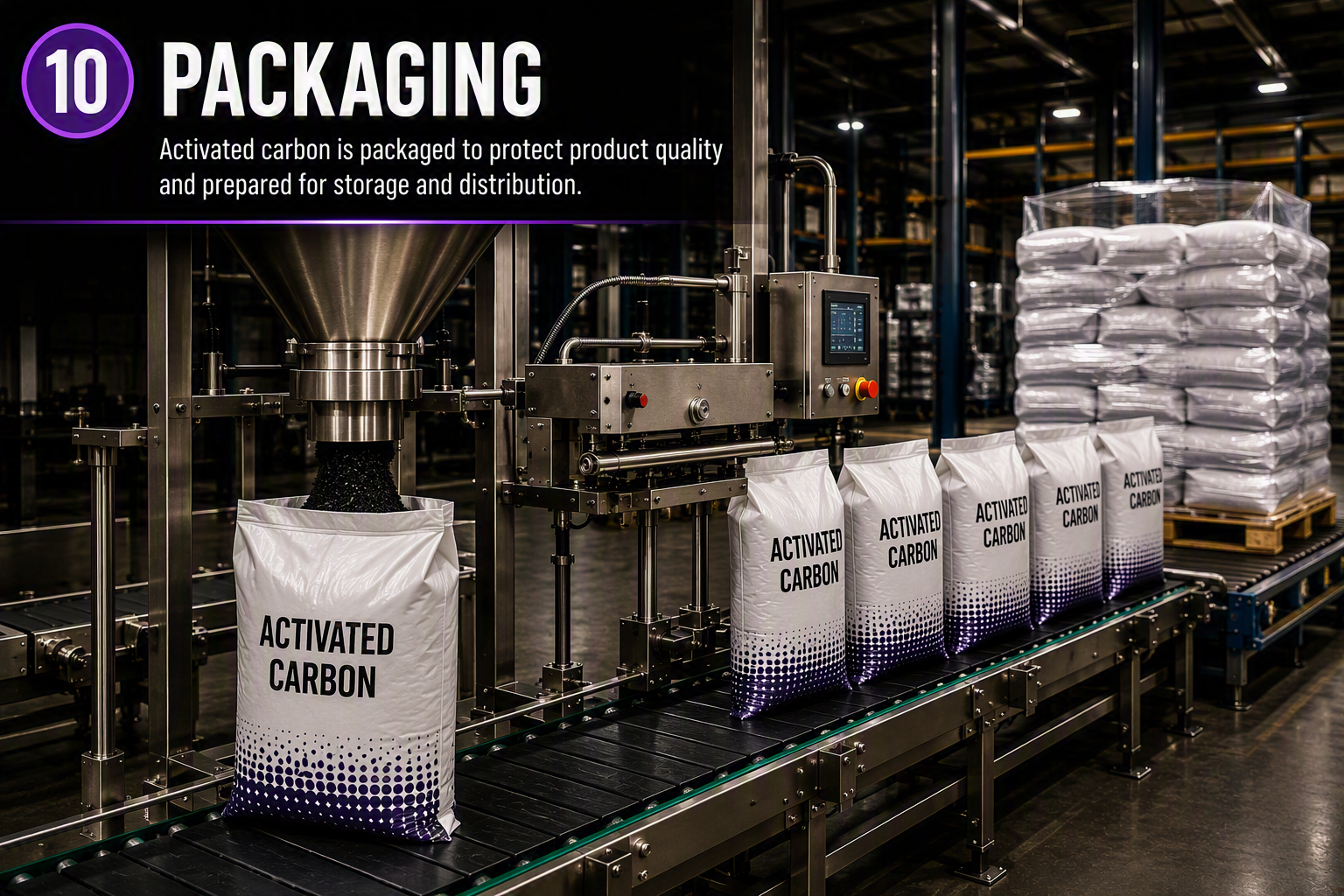
Activated carbon production generally begins with the selection of a carbon-rich feedstock, followed by preparation, carbonization, activation, washing, drying, testing, and packaging. Activation develops and enlarges the pore structure that gives activated carbon its extensive surface area and adsorption capacity. The specific process varies depending on the raw material, activation method, and intended application.
-
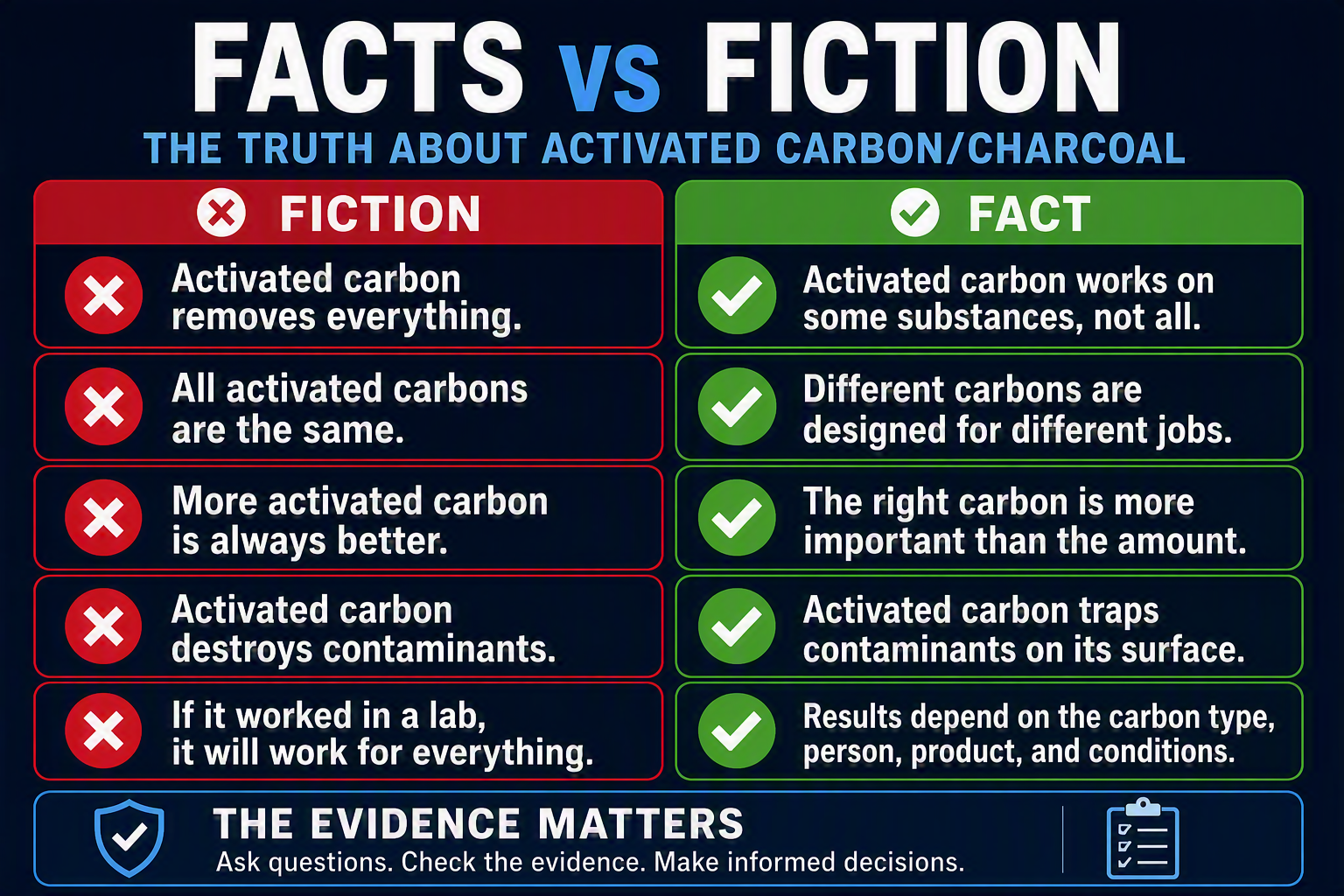
Not all claims about activated carbon belong in the same category. Some are supported by extensive scientific evidence, some remain active areas of research, and others are often repeated without direct supporting evidence.
Activated carbon applications vary by carbon type, operating conditions, regulatory requirements, and intended use.
Evaluating Activated Carbon/Charcoal Claims
Activated carbon has well-established uses in:
• Water treatment and purification
• Air and gas filtration
• Industrial purification processes
• Solvent recovery
• Certain emergency toxicology applications
• Specialized medical adsorption systems
• Pharmaceutical and compendial applications
These uses are supported by scientific literature, engineering practice, standards, regulations, or application-specific validation.
Emerging Areas of Research
Researchers continue to investigate:
Microbiome interactions
Novel drug-adsorption systems
Advanced hemoperfusion technologies
Functionalized and engineered carbons
Composite adsorption materials
New environmental remediation applications
Research findings may demonstrate adsorption, removal, or biological effects under specific conditions. Additional studies are often required before laboratory observations can be translated into broad real-world conclusions.
A Practical Way to Evaluate Claims
When encountering any claim involving activated carbon, ask:
What exact carbon was tested?
What substance was studied?
Under what conditions?
Was the evidence laboratory, animal, engineering, or human-based?
Was the outcome adsorption, removal, safety, performance, or clinical benefit?
Can the results reasonably be applied to the intended use?
Good evidence answers these questions directly. Strong claims require strong evidence.
Why This Section Exists
Activated carbon has a long history of legitimate scientific, industrial, environmental, and medical applications. At the same time, it has become associated with claims that range from well-supported to highly speculative.
Our goal is not to promote or dismiss claims. Our goal is to present the evidence, identify its boundaries, and help visitors understand what is established, what is still being studied, and what remains unsupported.
References
Hoegberg, L. C. G., Shepherd, G., Wood, D. M., et al. (2021). Systematic review on the use of activated charcoal for gastrointestinal decontamination following acute oral overdose. Clinical Toxicology, 59(12), 1196–1227. DOI | PubMed
Hoegberg, L. C. G., Gosselin, S., Buckley, N. A., et al. (2026). Recommendations from the Clinical Toxicology Recommendations Collaborative on the administration of activated charcoal in acute oral overdose. Clinical Toxicology, 64(6), 419–475. Taylor & Francis Online | DOI
Chen, Y. C., Wu, M. Y., Hu, P. J., et al. (2019). Effects and safety of an oral adsorbent on chronic kidney disease progression: A systematic review and meta-analysis. Journal of Clinical Medicine, 8(10), 1718. MDPI | DOI
Zhao, C. X., Wu, Y. T., Wang, Y., & Su, J. Q. (2025). Activated carbon ameliorates type 2 diabetes via metabolic remodeling of the gut microbiota. Microbiology Spectrum, 13(11). ASM Journals | DOI